
Who’s to Blame When Electricity Costs More in PA?

Electricity doesn’t come from the outlets in our walls. In simplified terms, electricity arrives at our homes from power-generation stations, created using natural gas, coal, or hydro-power. Those raw materials are converted into electricity and sent to our homes, hospitals, schools, and businesses. And yes, nuclear power also generates a great deal of electricity in Pennsylvania. Misguided policies led to Three Miles Island’s closing a few years ago, but Microsoft recently stepped forward and is re-opening the nuclear power plant for its own data center projects. It’s a huge win – and a model for the future.
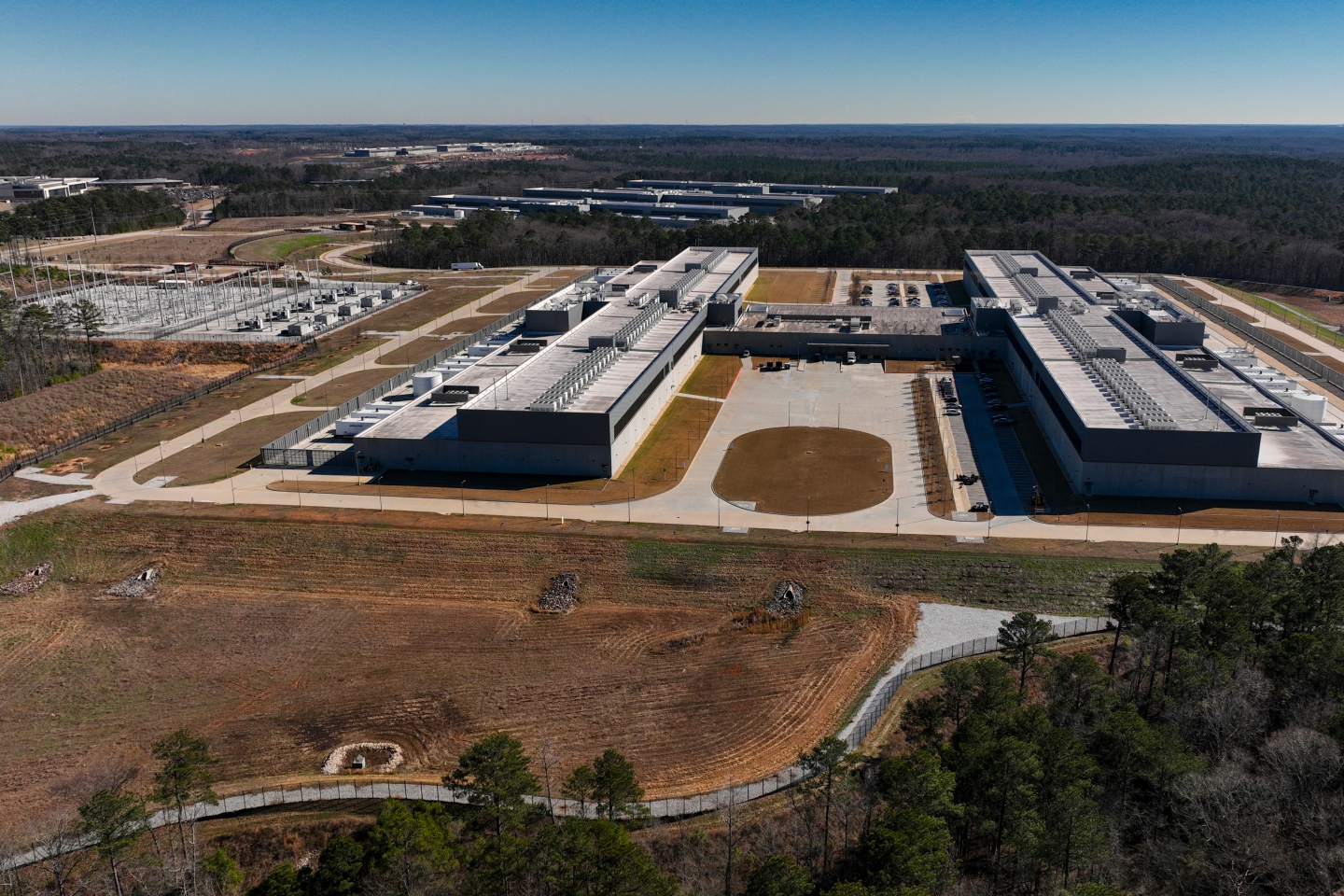
The growing need for data centers and the burgeoning AI industry signal that the 21st century will be the technology century – a battle among nations, and a competition among American states.
Pennsylvania is the state that sits at America’s economic, energy, technology, geographic, and political crossroads. Home to maybe twice the energy of Saudi Arabia, tech hubs in Pittsburgh, home to Carnegie Mellon, Drexel, Lehigh, Penn, Penn State – in addition to countless rivers and nuclear facilities that generate power, too.
Across the globe, we are creating more and more data every day that needs to be stored – 2.5 Quintillion bytes. And since we will be using AI to help with medicine, transportation, agriculture, and national security, it’s imperative that America have the best AI centers on earth.
Flawed, counter-productive policies have forced electricity rates higher. It’s a mix of bad economic polices causing inflation plus foolish, self-defeating energy rants and policies that have harmed our supply keeping up with demand.
Yet no state in the nation has more raw materials – natural gas, coal and water, and even some oil – than Pennsylvania. With nuclear, too, there’s no reason whatsoever that Pennsylvanians should be faced with rising electricity rates.
As we learn when we try to buy Taylor Swift tickets – pricing is impacted by supply and demand. If supply doesn’t keep up with demand, prices go higher. When the item in question is essential – like electricity – prices can jump even higher.
When Democratic politicians threaten the materials needed to create electricity – oil, gas, coal, or nuclear – or the Shapiro administration “slow-rolls” the permits to allow for new wells, pipelines or plants – prices go higher.
We would need solar panels or wind turbines laid out across the state from Lancaster to Pittsburgh just to supply suburban Philadelphia. Plus, it takes a lot of oil, gas, and rare minerals to manufacture, transport and install those “green” energy “producers” – and bury them when they’re used-up.
It’s impractical, immoral, and dangerous to our health, safety and welfare to threaten “bans” of fossil fuels.
Each week, we need more and more electricity for our population growth. We also need it for phones, computers, tablets, medical equipment, electric vehicles – and, yes, data centers and AI facilities.
Texas’ governor convened a summit of energy producers and tech leaders to discuss how to generate three times the energy they use today in 10 years – just to meet their projected needs.
It’s a different story in Pennsylvania.
If Pennsylvania does not generate a lot of new power – working with gas, coal, hydro, oil, and nuclear providers – we will have a buffet of bad options: rising electricity costs, brown outs, or those centers will be built elsewhere in America.
This is not a problem in China, which is building about two new coal-fired electricity plants per month.
We have three political problems in Pennsylvania. Progressive Democrats do not want to increase oil, gas, or nuclear production. The suburbanite likes her tablet, her Peloton, and her Tesla (well not as much as before…). But she has been trained to hate fossil fuels, which she believes are destroying the planet. She wants “green” energy from the outlet in the wall that the contractor gets at Home Depot.
Second, the new working-class base of the GOP hears that data centers make electricity costs rise. That’s what the politicians and utility companies tell them. Plus, they are fearful that AI will lead to them or their children losing their jobs to robots. Understandably, they are opposed to price-increasing, job-killing data and AI centers.
The suburbs plus MAGA comprise a huge majority unwittingly working together against data centers and AI facilities. Worse, their alliance could actually – unintentionally – contribute to higher electricity rates. Meanwhile, there remains an urgency for new energy sources.
And those facilities will likely be built anyway – just in Ohio or elsewhere. So, less energy production, higher electricity costs, and ultimately, fewer jobs.
Pennsylvania’s political leadership should unite the suburbanite and MAGA for prosperity, not fear.