

Data Centers: the New Backbone of Local Jobs, Big Ideas
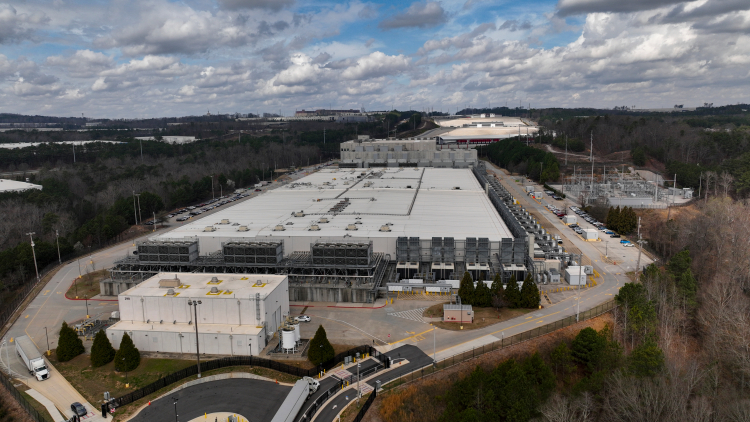
If the internet had a physical heartbeat, it would be a data center – a hulking, humming campus of servers that keeps our phones, streaming, banking, and even AI running. The United Association (UA), with 135 years of infrastructure chops, is staking its claim on that heartbeat, arguing that modern data centers are not just tech temples but engines of local jobs, tax revenue, and long-term community investment. “The data center industry represents the future of our country,” the UA guide declares, and it adds a practical reminder of where the work happens. As the guide notes: “Each data center requires thousands of miles of piping and cooling infrastructure, and that's where the UA comes in.”
Data centers are already big business. The UA’s briefing lists eye-popping figures: 93% union participation on major projects; 562 campuses slated as of August 2025; 2,771 buildings; more than 189 gigawatts of associated power capacity; and over $1.9 trillion in total project value. If all these projects moved forward at once, the UA estimates 280,000–850,000 members could be needed on-site – a boon for apprenticeships, benefits, and union growth.
Indeed, construction of a single data center campus can create thousands of trade jobs. While critics sometimes wave away these roles as “temporary,” the UA makes a different case: cyclical construction work fuels apprenticeship pipelines, funds training centers, and strengthens pensions and healthcare for members. Local 602’s experience is a case in point: the guide credits the data center boom with adding 450 apprentices and more than 1,600 members over four years, helping the local expand benefits and training capacity.
But the story doesn’t stop when the cranes come down. A medium-sized data center typically needs 15 to 80 permanent on-site staff, and a larger ecosystem of maintenance, HVAC service, logistics, and security creates many more ongoing opportunities. Retrofits every 10–15 years keep skilled trades in steady demand, and the earliest data centers from the late 1990s have already been modernized – proof that these facilities evolve rather than vanish.
Worried about noise, diesel fumes, or property values? The UA guide answers with specifics and a wink: modern facilities measure about 55–60 dB at the property edge (roughly a normal conversation), use SCR technology to cut generator emissions by 99%, and often pay higher utility rates or fund grid upgrades to offset local impacts. Studies cited in the guide suggest neutral to positive effects on property values, while tax revenue from data centers can bolster schools and services.
The UA’s playbook is straightforward: engage early with developers and elected officials, form local trade committees, run community education campaigns, and fill public hearings with informed supporters. Where no data centers exist yet, proactive zoning and outreach can attract projects – and when communities see the benefits firsthand, momentum follows. The guide highlights successful county-level campaigns where early coordination led to zoning wins and packed hearings in favor of development.
The bottom line: Data centers are the quiet revolution powering our digital lives – and they’re also a practical opportunity for communities and tradespeople. Built right, with skilled UA labor and smart planning, these facilities promise high-paying jobs, millions in tax revenue, and minimal neighborhood disruption. In short: the future is online, and the UA wants to make sure that future is built by local hands.