

PA Needs Teachers, But Too Many Can’t Afford to Become One
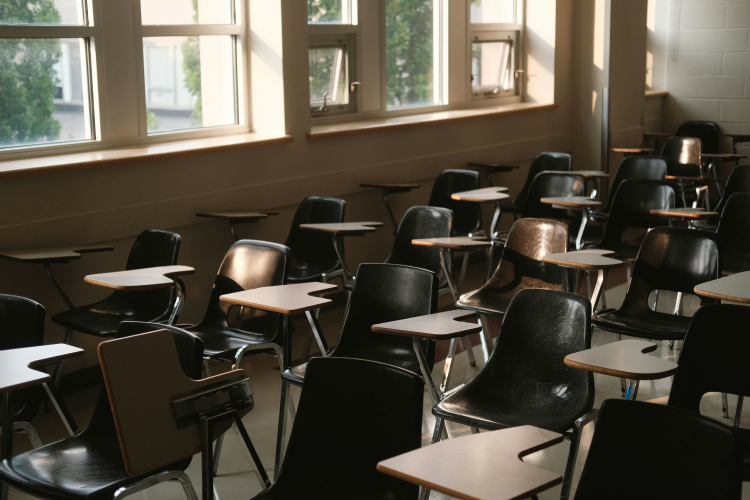
After more than four years of living independently, I was forced back into my childhood bedroom because the capstone of my teaching degree – student teaching – was unpaid. My days were a marathon: after the 4 p.m. dismissal bell rang at the elementary school, I rushed to a local daycare three times a week to work a 5 p.m. to midnight shift, pivoting from 1st grade lesson planning to changing diapers and supervising homework for infants through school-age youth. Even with a schedule entirely dedicated to the care and education of children, I was constantly stretched thin, obsessively calculating whether I could afford gas, groceries, or professional attire. This daily exercise in exhaustion left me with a question that state policy must finally answer: What happens to the aspiring teacher who doesn’t have a parent’s safety net?
Pennsylvania is facing a teacher shortage crisis that can’t be ignored. Over the past decade, the number of newly certified teachers in the commonwealth has dropped by roughly 75%. Today, there are more than 5,500 teacher vacancies statewide, and schools are increasingly relying on emergency certifications instead of fully prepared educators. These shortages hit hardest in districts serving students of color, those living in poverty, and historically underfunded urban and rural communities.
When it comes to entering the profession, student teaching remains one of the biggest barriers. It is a full-time, unpaid requirement layered on top of tuition costs, certification fees, and everyday living expenses. For many aspiring educators, especially first-generation college students, Black and Brown candidates, and career-changers, this is the moment where passion collides with reality.
Pennsylvania’s Student Teacher Stipend Program already has proven that this financial roadblock is not inevitable, providing stipends to roughly 2,100 student teachers in the 2024-25 school year. These funds shifted the focus from late-night shifts and rent and grocery anxiety to instruction and professional growth. However, with more than 4,000 applicants, demand continues to far outpace available supply. While Gov. Shapiro’s proposed budget increase to $35 million is a vital first step forward, it remains insufficient to meet the total need. Pennsylvania must rally behind Gov. Shapiro’s proposal and fully fund the Student Teacher Support Program with a $50–55 million investment, ensuring every eligible student teacher receives the support they deserve in a profession we simply cannot afford to lose.
As a Black educator, this issue is deeply personal. Black teachers make up only about 7% of Pennsylvania’s educator workforce. Research consistently shows that students benefit academically and socially from having teachers who reflect their identities and lived experiences. If the financial pressure of student teaching had forced me to walk away, Pennsylvania might have lost one more Black educator before I ever had the chance to lead my own classroom. I teach in a predominantly Black school, where I am one of the first Black teachers my students have had. In my classroom, I don’t just focus on reading and writing. I celebrate my learners’ victories, big and small, reminding them daily that their voices must be heard, their stories matter, and their horizons are limitless.
Beyond financial support, we need to know where the gaps are greatest. To address these needs, the Pennsylvania Department of Education should publish comprehensive educator workforce data dashboards that track certification trends, shortages, and diversity across the state. If we had a public educator workforce dashboard when I was applying for my student teaching placement or my first teaching position, I would have been able to clearly see which districts were experiencing the greatest need and where my skills as a culturally responsive educator were most needed. Accessible data is not just helpful, it is necessary to ensure we are making informed, equitable decisions about how we recruit, support, and retain diverse educators across Pennsylvania.
To aspiring educators, especially Black educators, who are struggling to make ends meet: I see you. You are not alone. Our scholars, our classrooms, and our future need you.
The choice before us is simple. If paying student teachers means one more committed, qualified, and diverse educator in our schools, then the real question is not whether we can afford to do it but why wouldn’t we?