
Data Centers Can Bolster Revenue, Help Local Residents
Last updated 09:42 AM EDT • Read time: 4m
Lackawanna County taxpayers recently received a painful surprise in the form of a 33% property tax increase. This massive tax hike was apparently put into place to help pay down the county’s nearly $30 million projected deficit. But worsening the affordability crisis will only drive people away and further shrink the tax base.
To make matters worse, some local groups and policymakers are chasing away productive investments such as data centers—shunning much-needed tax revenue and ensuring that residents are left holding the bag for increased government spending. Gov. Josh Shapiro (D) is adding fuel to the fire with a heavy-handed executive order foisting strict requirements onto data center projects. Policymakers and local leaders should reject these bans and restrictions and welcome data center projects into the community.
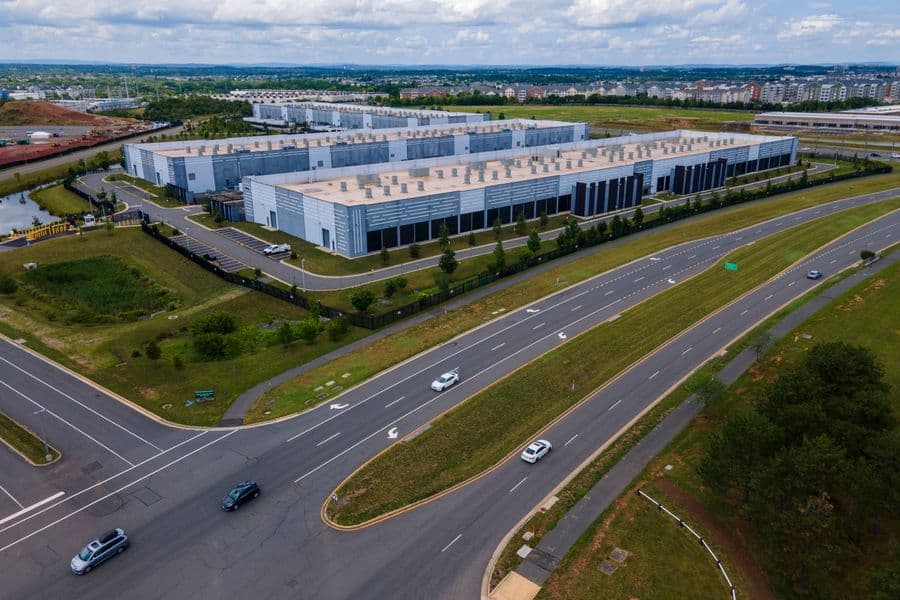
Proposed data center projects in Archbald have ignited a firestorm of misguided controversy. Multiple developers have put forward plans for up to several projects, which carry the potential for significant economic growth, local job creation and tax revenue. Nonetheless, anti-data center groups claim — without evidence — that these projects would threaten “our community's health, safety, quality of life, and long-term character.”
This issue goes beyond Lackawanna County. Across Pennsylvania, local officials are making difficult decisions about how to manage major data center projects that could bolster local tax bases for many years and create thousands of well-paying jobs. Communities have legitimate concerns and questions about water, electricity, sound, and land use.
But the question is not whether data centers generate any noise or use any resources; virtually any activity or economic project does. Rather, it is whether local governments will address those concerns responsibly, or panic and respond with onerous restrictions. The latter approach will inevitably chase away investment and leave taxpayers with even higher bills.
Virginia has established itself as a national leader in responsible data center development. The state’s former director of the Department of Energy, Glenn Davis, recently noted, “The data centers being built today will determine where the next generation of innovation, jobs and economic growth occurs. The choice facing communities across America isn’t whether the digital economy will grow, but whether they will be part of it.”
Shunning these projects is a surefire away to lose ground to neighboring states and jurisdictions.
Data centers are an enormous economic opportunity for communities across the country and for Pennsylvania in particular. These innovative projects contribute more than $14 billion annually to Pennsylvania’s economy, and that total will likely exceed $20 billion by 2030.
Depending on a project’s size, data centers can employ more than one thousand workers during construction alone. These are exceptionally well-paying local jobs, particularly for the region’s building trades as well as local small businesses across the supply chain.
As Rob Bair, president of the Pennsylvania Building and Construction Trades Council, recently told the Associated Press, data centers “create...a lot of construction jobs, which we live and work in your communities.”
Pennsylvania law gives municipalities ample tools to regulate development. Local officials can and should demand basic transparency, public input and enforceable standards. But they should also avoid sudden reversals or de facto moratoriums which could be financially paralyzing for communities—and their taxpayers—that end up paying to defend those misplaced decisions in the courts. The end result could well be exorbitant damages or settlements, and residents will pay the price in additional tax and assessment burdens.
Other communities are already learning that lesson the hard way.
In Hill County, Texas, officials rescinded a one-year data center moratorium after a developer filed a federal lawsuit arguing the county lacked authority to impose the ban; county leaders said rescinding it was meant to protect taxpayers from potential liability, though the lawsuit remained active.
In Urbana, Ohio, a developer recently filed a federal lawsuit after the city initially put in data center regulations, only to adopt a moratorium and abruptly change zoning rules. The developer said it had already spent more than $19 million and that the project would have generated $3 million in annual city tax revenue.
Pennsylvania communities can learn from these examples and protect residents while welcoming investment. Shunning data centers means fewer jobs, an even smaller tax base, and costly lawsuits that taxpayers don’t want and can’t afford. Local leaders must bear in mind their duty to serve their constituents and embrace a commonsense approach that paves the way for growth and prosperity.
Ross Marchand is the Executive Director of the Taxpayers Protection Alliance.

Platner Says He Won't Be an 'a–hole' Like Fetterman in Senate
By Tara Suter, The HillBlame Pennsylvania for the Gerrymander Mania
By Guy Ciarrocchi, RealClearPA
What Chris Rabb's Win in Philly Means for Fetterman
By Sam Janesch, InquirerVoters Signal They're Done With MAGA Chaos
By Mark S. Singel, PennLive
Republicans: Pre-Canvassing Bill 'Lets Dead People Vote'
By J. Kramer, Center Square
Pennsylvania Today
Featuring the latest pennsylvania news
RCP Today
Top stories on RealClearPolitics
Investigations Today
Latest investigations news
Defense Morning Recon
Featuring the latest news