Pennsylvania's AG Is Right About Counterfeit Medications
Last updated 01:06 PM EDT • Read time: 3m
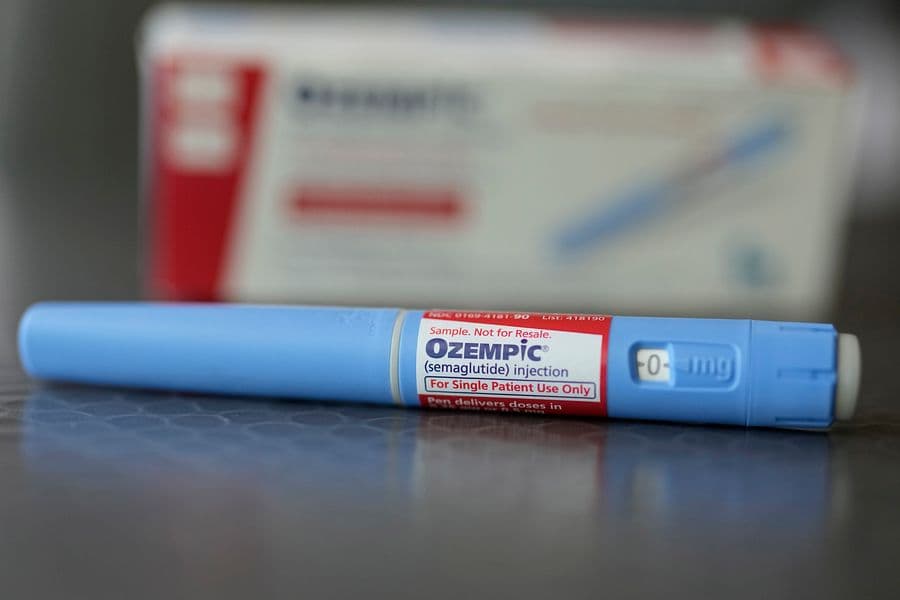
If you have scrolled through Instagram or TikTok lately, you have probably seen slick telehealth ads promising doctor-prescribed weight-loss shots, such as Ozempic or Wegovy, delivered to your door. Platforms like Ro, Willow, Eden, and Hims/Hers flood feeds with offers that look like a fast track to slimness. For many consumers, that promise may be dangerously hollow.
Demand for GLP‑1 drugs keeps climbing, and so does the shadow market trying to keep up. Back in May, Pennsylvania Attorney General Dave Sunday warned residents about “counterfeit products flooding the market” and urged them to buy only from licensed pharmacies. He stressed that the FDA must use its enforcement powers “to protect consumers.”
Sunday is not acting alone. In February, he joined 37 other state and territorial attorneys general in a bipartisan letter asking the FDA to crack down on companies peddling unapproved or adulterated GLP‑1 products sourced from overseas suppliers of “unknown origin.”
The Philadelphia Inquirer reported that his office has kept up that pressure as counterfeit pens linked to hospitalizations surfaced in the United States.
The summer is winding down soon, and the problem is no less pressing.
What the flashy telehealth ads fail to mention is that many “compounded” or “research‑use” versions sold online are not FDA‑approved generics. They are imitations that never clear the agency’s bio‑equivalence tests, often mixed from bulk powders imported without review. The National Association of Boards of Pharmacy counts more than 40,000 online pharmacies operating illegally or in a manner it does not recommend.
Consumers seeking a bargain may end up purchasing compounds with no clinical data and unclear supply chains.
The health risk is obvious, but the long‑term cost is larger. Patents exist so companies that sink billions into research can recoup their investment and fund the next generation of cures. When compounders mass‑manufacture cheaper knock‑offs during times when no FDA‑declared shortage exists, they break that incentive structure. Fewer firms will risk years of R&D if shortcuts become normal.
Compounding pharmacies have a legitimate niche: customizing doses for patients who cannot tolerate an ingredient or need a liquid version of a pill.
Mass‑producing GLP‑1 injections for the open market is not that niche. If a telehealth firm or pharmacy acts like a manufacturer, it should meet the same regulatory bar.
We’re watching a gray market evolve in real time, enabled by regulatory gaps, glossy digital advertising, and public confusion. The risk is normalizing a bizarre two-tiered system, one where rigorous standards apply only to the companies that follow the regulatory rules and another for those that profit by skirting them.
Real medical innovation takes time, risk, and investment. Let’s not let a few cheap shots ruin it for everyone.
Elizabeth Hicks is the U.S. Policy Analyst with Consumer Choice Center.
Platner Says He Won't Be an 'a–hole' Like Fetterman in Senate
By Tara Suter, The HillBlame Pennsylvania for the Gerrymander Mania
By Guy Ciarrocchi, RealClearPA
What Chris Rabb's Win in Philly Means for Fetterman
By Sam Janesch, InquirerVoters Signal They're Done With MAGA Chaos
By Mark S. Singel, PennLive
Republicans: Pre-Canvassing Bill 'Lets Dead People Vote'
By J. Kramer, Center Square
Pennsylvania Today
Featuring the latest pennsylvania news
RCP Today
Top stories on RealClearPolitics
Investigations Today
Latest investigations news
Defense Morning Recon
Featuring the latest news