
Don't Squander Pennsylvania's AI Future
Last updated 09:51 AM EDT • Read time: 3m
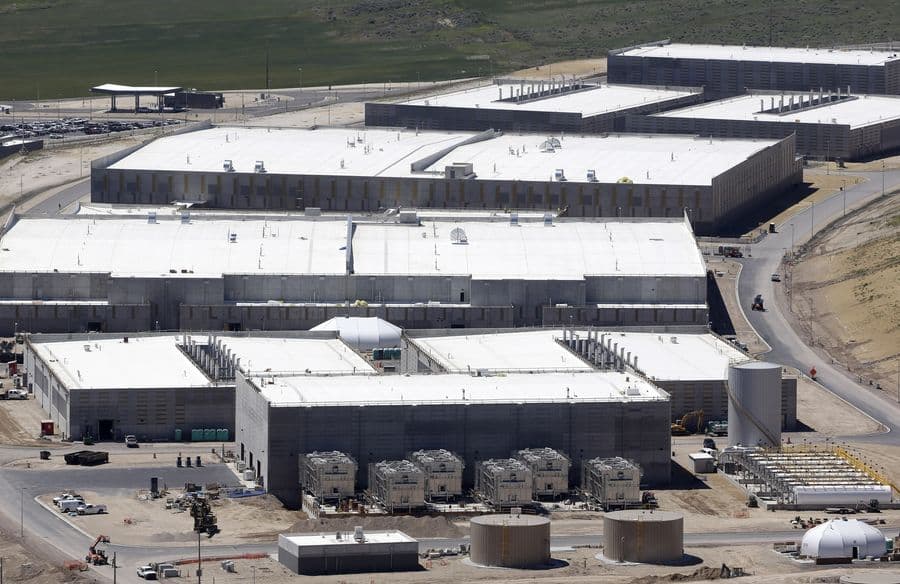
Gov. Josh Shapiro recently signed an expansive executive order restricting future data center development unless facilities pay for all of their electricity costs, source a significant portion of their power from clean energy, and meet a number of other regulatory requirements. Most notably, the governor removed data centers from his Fast Track permit program, which has expedited new construction in recent years.
The executive order comes on the back of Silicon Valley U.S. Rep. Ro Khanna’s pressure campaign against data center construction in Pennsylvania. The congressman has traveled through the state in preparation for a potential 2028 presidential campaign, promoting his proposal to give activists new procedural tools to block data centers. And conveniently enough, the governor caved.
But the Keystone State shouldn’t squander its economic future in the age of artificial intelligence.
Pennsylvania can — and should — take its own approach to the growth of data center construction. The state has an opportunity to strike a unique balance between economic development and legitimate concerns about energy demand and the environment. Before he pivoted, this is actually what Gov. Shapiro’s original approach looked like.
The Governor’s Responsible Infrastructure Development (GRID) framework sought to ensure that data centers meet requirements for energy affordability, environmental protection, workforce development and community engagement. It promised to streamline the process while delivering more effective governance.
The Shapiro administration also previously gave municipalities a toolkit to evaluate projects based on zoning, infrastructure capacity, resource use and local fiscal impacts. Now, Harrisburg is bogging projects down with statewide policies rather than trusting communities to determine what works best for themselves.
That means exhausting paperwork, intentionally slower permitting reviews, and a host of new pre-approval requirements. These hurdles won’t make Pennsylvania better equipped to manage data center growth. They will simply make it more difficult and expensive to build in the state, pushing investment and opportunity elsewhere.
From energy buildouts to new residential towns, the state has enormous potential for growth. The artificial intelligence boom gives Pennsylvania another opportunity to put its abundant energy resources, industrial infrastructure and skilled workforce to work.
Data centers will look very different depending on where they are built. A project in ¨Schuylkill County, with land and energy infrastructure, presents very different questions from one proposed near a densely populated neighborhood of Conshohocken. Giving local officials and residents the ability to determine what makes sense for their communities is difficult when projects are tied up in costly, one-size-fits-all bureaucratic processes.
The benefits of AI will extend well beyond Silicon Valley. Data center construction requires electricians, plumbers, engineers, construction workers and other skilled tradespeople. It can generate significant economic activity and tax revenue while creating demand for the kinds of well-paying jobs Pennsylvania needs.
Gov. Shapiro’s recent decisions put these opportunities at risk. Adding an onslaught of new rules — particularly through a top-down process in Harrisburg — and removing data centers from an expedited permitting process throws away Pennsylvania’s chance to lead in a critical industry.
Pennsylvania has the energy, infrastructure and workforce to lead the AI era. It shouldn’t squander that advantage with red tape designed in Harrisburg — or let a California congressman dictate its future. Let communities make their own decisions and let Pennsylvania build.
Sam Raus is the David Boaz Resident Writing Fellow at Young Voices. Follow him on X: @SamRaus1.

Platner Says He Won't Be an 'a–hole' Like Fetterman in Senate
By Tara Suter, The HillBlame Pennsylvania for the Gerrymander Mania
By Guy Ciarrocchi, RealClearPA
What Chris Rabb's Win in Philly Means for Fetterman
By Sam Janesch, InquirerVoters Signal They're Done With MAGA Chaos
By Mark S. Singel, PennLive
Republicans: Pre-Canvassing Bill 'Lets Dead People Vote'
By J. Kramer, Center Square
Pennsylvania Today
Featuring the latest pennsylvania news
RCP Today
Top stories on RealClearPolitics
Investigations Today
Latest investigations news
Defense Morning Recon
Featuring the latest news